

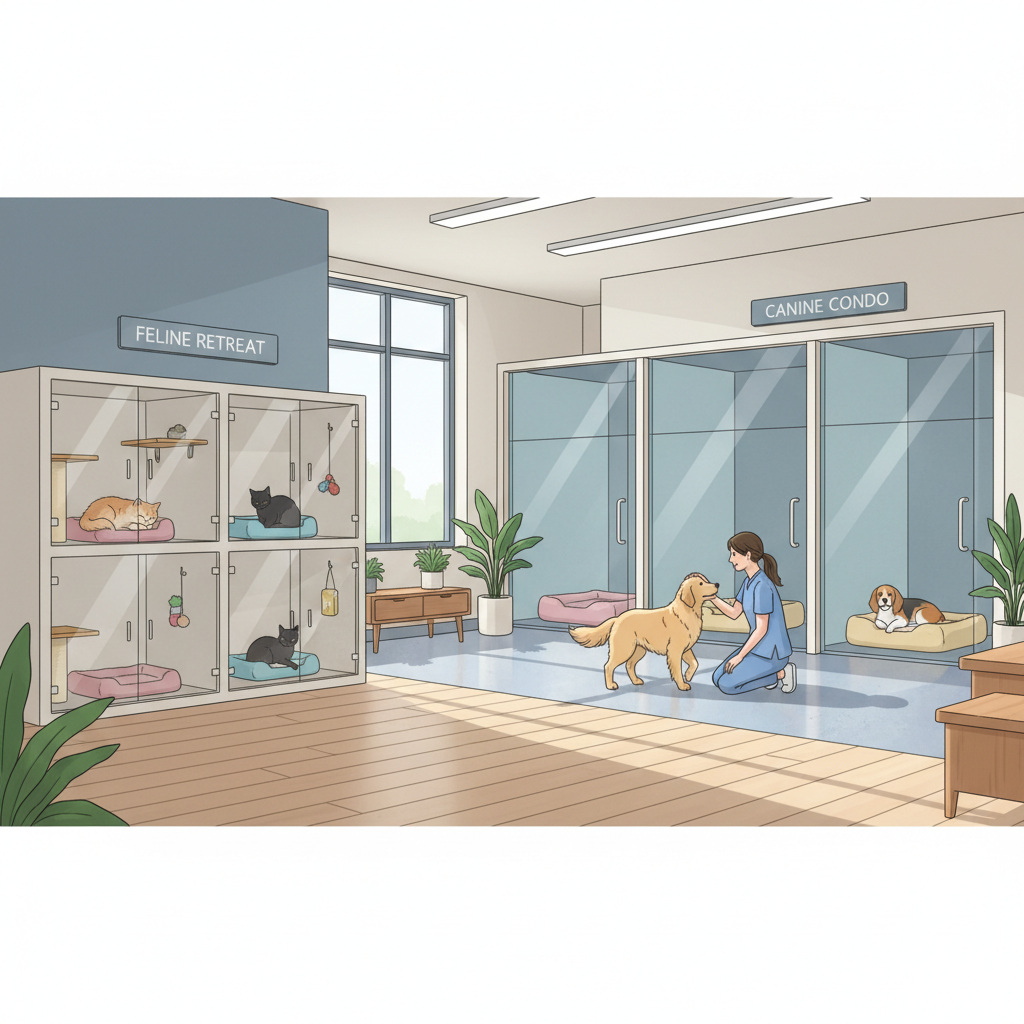
How to Choose the Best Pet Hotel for Safe, Comfortable Boarding
How to Choose the Best Pet Hotel: A Complete Guide to Safe and Comfortable Pet Boarding
Leaving a beloved dog or cat in someone else’s care can feel stressful. This guide helps PetHotels.io readers choose a pet hotel that prioritizes animal welfare, clear communication, and reliable care so your pet stays safe, healthy, and comfortable while you’re away. Below you’ll find practical tips, inspection checklists, and questions to ask before you book.
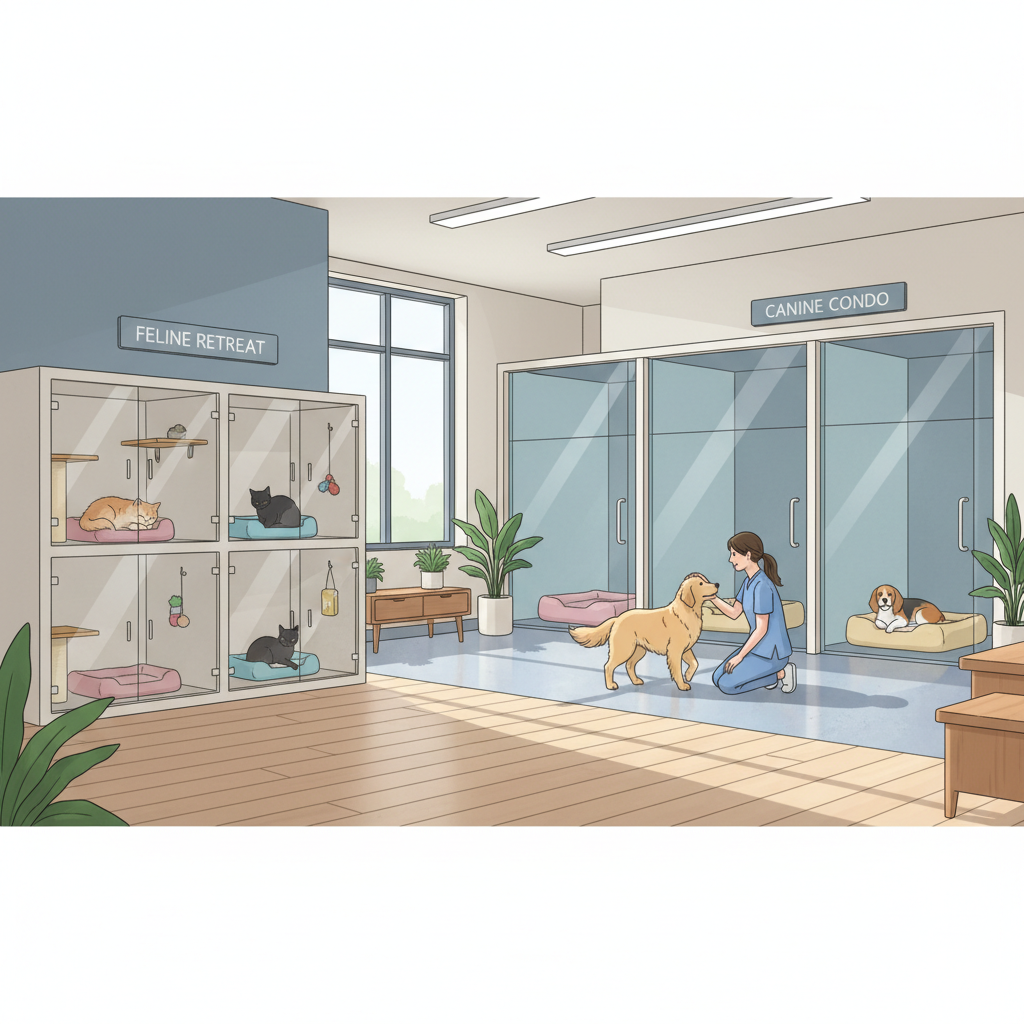
Why choose a pet hotel over other boarding options?
Pet hotels offer a hybrid experience between a simple kennel and full-time pet sitting. They typically provide private suites, structured activities, trained staff, and veterinary protocols. For many owners the appeal is the combination of supervision, socialization opportunities for dogs, and dedicated indoor spaces for cats — all in a regulated facility.
First things first: what to inspect on arrival
Make a short tour part of your decision. A competent pet hotel will welcome an inspection and answer your questions. Use this quick checklist to evaluate the facility in person:
- Cleanliness of suites and communal spaces; no lingering odors or visible waste.
- Secure fencing, locked entrances, and controlled access points.
- Evidence of staff supervision at all times — staff should be visible and engaged.
- Separate areas for dogs and cats to prevent stress or cross-contamination.
- Emergency procedures and nearby veterinary contacts clearly posted.
Practical tip
Bring your pet’s food and a familiar blanket or toy for transition comfort — many hotels permit these items and it reduces separation stress.
Safety and professional supervision
Prioritize facilities with clear staff-to-pet ratios, written procedures, and routine checks. Ask whether caregivers are trained in animal first aid, behavior assessment, and safe handling techniques. The best pet hotels have daily activity logs and can provide updates or photos if you request them.
Questions to ask about supervision
- What is your staff-to-pet ratio during the day and at night?
- Are staff trained in pet CPR and basic first aid?
- How do you monitor a pet’s health and behavior during their stay?
Hygiene, cleaning, and disease prevention
Good hygiene reduces the risk of illness and keeps all animals comfortable. Look for daily cleaning schedules, appropriate disinfection between stays, and separate bedding for each pet. Vaccination policies should be strict; ask for proof of rabies, distemper (dogs), and FVRCP (cats), as well as current flea/tick prevention.
Red flags
- Loose food bowls, messy litter boxes, or sticky floors.
- Staff unwilling to provide vaccine or health policy details.
- Pets that seem stressed without apparent staff support or enrichment.
Accommodation types: suites, runs, and group play
Many pet hotels offer multiple accommodation options. Choose based on your pet’s needs and temperament:
- Private suites: ideal for anxious pets or cats who need quiet space.
- Indoor/outdoor runs: good for high-energy dogs that benefit from direct yard access.
- Group play: social dogs that have passed temperament screening may enjoy supervised group activities.
Some facilities use internal codes for room types and service packages; for example, you may see suite numbers or package IDs like 240, 162, 228, 200, 241, 177, and 221 listed on a rate sheet — ask staff to explain what each code means so you know what you’re booking.
Health policies, emergency care, and medication
Confirm how medication is administered and logged. Reliable pet hotels keep a labeled medication chart and require written instructions from the owner. Ask whether the facility has a formal relationship with a local veterinarian and what the emergency transport plan is.
Medication checklist
- Provide medication in original packaging with clear dosing instructions.
- Confirm how staff document each dose and any observed reactions.
- Leave emergency contact numbers and your preferred vet clinic details.
Building trust: contracts, reviews, and trial stays
Always read the boarding agreement carefully. It should spell out fees, cancellation policies, and liability limits. Look for online reviews but weigh them against your in-person impression. A short trial stay can help you see how your pet adapts before a longer absence.
Conclusion: booking with confidence
Choosing the best pet hotel means balancing safety, comfort, and transparency. Inspect the facility, ask targeted questions about supervision, hygiene, and emergency protocols, and consider a trial stay. With the right preparation you’ll leave knowing your dog or cat is in capable, compassionate hands — and return to a happy, healthy pet.