

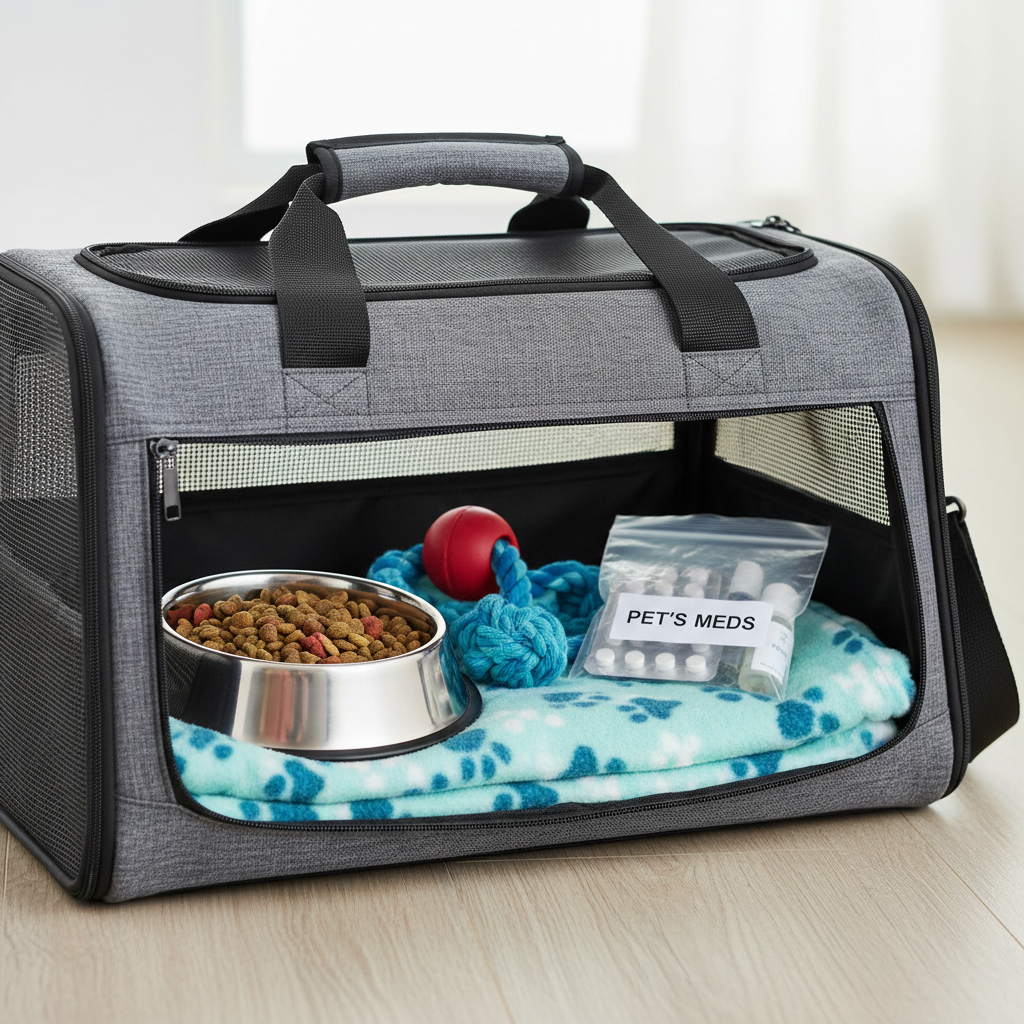
What to Pack for a Pet Hotel Stay: Practical Checklist
What to Pack for a Pet Hotel Stay: Practical Checklist for Pet Owners
Leaving your dog or cat at a pet hotel can be stressful for both of you, but thoughtful preparation makes a big difference. This guide walks you through what to pack for a pet hotel stay so staff have everything they need to provide consistent care and your pet stays comfortable while you’re away.
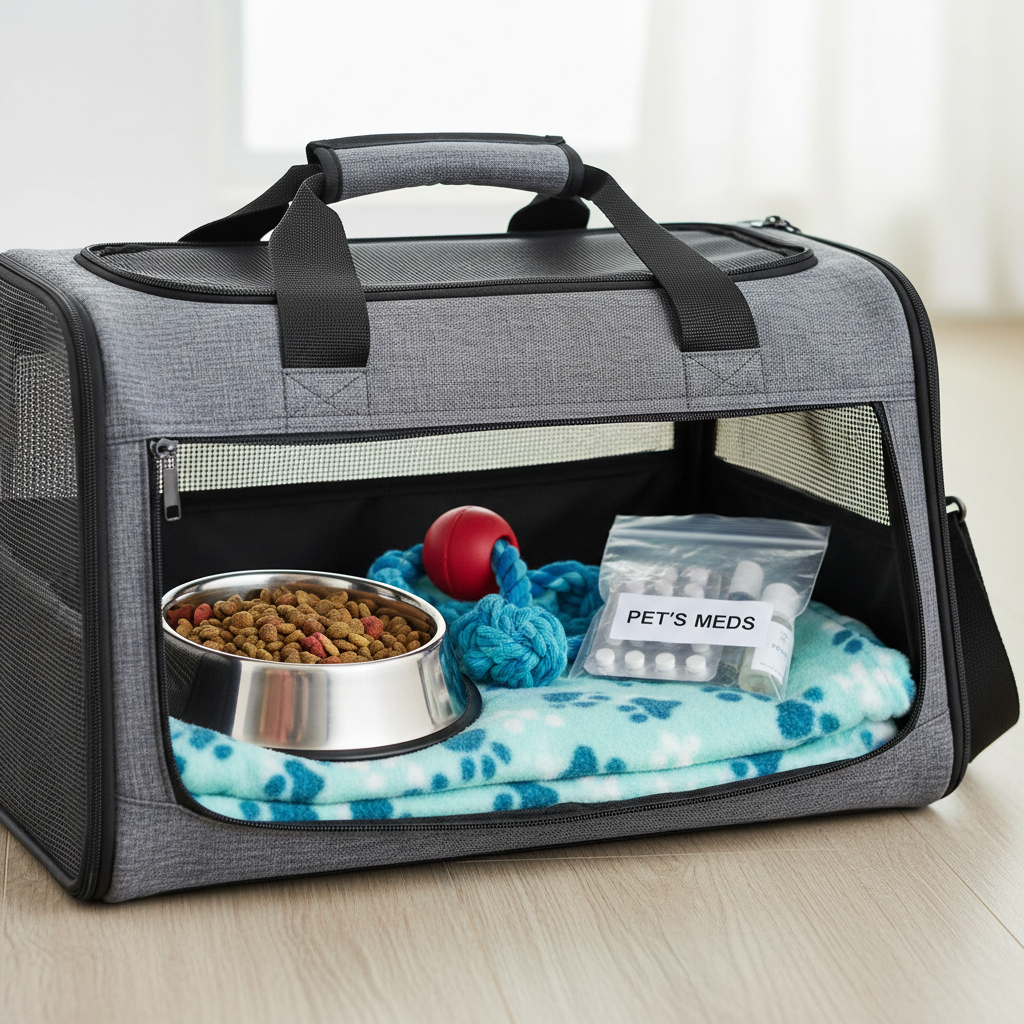
Why the right items and information matter
Pet hotels care for many animals and rely on clear, complete information to mimic each pet’s normal routine. Packing familiar items and precise instructions helps staff reduce stress, maintain feeding and medication schedules, and respond quickly in an emergency. The better the handoff, the more seamlessly your pet’s day will match what they’re used to at home.
Essential documentation
Start with paperwork—these items let staff verify health, reduce risk, and contact you or your vet if needed.
- Identification: Collar with ID tag and a microchip number (if applicable). Make sure tags are up to date.
- Vaccination and veterinary records: Current vaccine records and proof of rabies, distemper or other required shots, plus any recent medical notes.
- Medication instructions: A list of medications with dosages, times, and administration instructions. Include the medication in its original container if possible.
- Emergency contacts: Your phone number, an alternate contact (local friend or family), and your pet’s veterinarian contact details.
Food and feeding details
Feeding is one of the biggest stressors for a boarded pet. Bring enough of your pet’s regular food to last the stay plus a little extra in case of delays.
- Measured portions: Pre-measure daily portions into labeled bags or containers to reduce confusion.
- Feeding schedule: Note exact mealtimes, whether the pet grazes, and any preferences (dry vs. moistened food).
- Treats: Include favorite treats for rewards or comfort, and list any treat restrictions.
Medications and special care
Clear, written instructions are crucial when medications or special procedures are involved.
- Labelled medications: Keep pills, liquids, or topical meds in original packaging with prescription labels when possible.
- Administration notes: Frequency, method (oral, topical, injection), and side effects to watch for.
- Supplement schedule: Note vitamins, joint supplements, or other non-prescription items.
Comfort items and familiar belongings
Smells and textures from home help pets relax in an unfamiliar environment.
- Blanket or towel: A familiar-smelling blanket or towel helps with settling and sleep.
- Favorite toy: One or two soft toys or chews that your pet loves—avoid anything that could be a choking hazard.
- Bed or mat: If your pet prefers their own bed, bring it (confirm size and space with the facility first).
Daily routine and behavior notes
Staff do their best when they understand your pet’s usual day. The more you can share, the closer they can match your pet’s normal routine.
- Exercise needs: Walk frequency and duration for dogs, preferred leash type, or play style.
- Potty routine: Typical signals, time of day, and any accident-prone behaviors.
- Social preferences: Whether your pet is shy, social, or reactive around other animals or people.
Simple packing checklist
Use this quick checklist the day you leave to make sure nothing important is forgotten.
- Collar with current ID tag
- Copy of vaccination and vet records
- Medication in original packaging + written instructions
- Sufficient amount of usual food (plus extra) and measured portions
- Favorite blanket, bed, or towel
- One or two familiar toys
- List of emergency contacts and your veterinarian
- Written daily routine and behavioral notes
- Treats and feeding tools (bowls, scoops)
Before you go: final tips
Confirm any facility-specific requirements before arrival, such as vaccination timelines, carrier rules, or limits on personal items. If you’re still choosing a pet hotel, platforms like PetHotels.io can help you discover boarding options and related pet-care services; search by location and filters to find a place that fits your pet’s needs. Call the chosen facility to verify what they require and to let them know about any special care instructions.
Parting note
A calm, prepared handoff sets the stage for a smooth stay. Providing clear food and medication instructions, familiar comfort items, and a concise routine helps staff understand your pet’s normal life—reducing stress and keeping care consistent until you return.
Safe travels, and remember to check with your selected pet hotel for any additional rules or documentation they require before drop-off.