

Help Your Pet Adjust to a New Boarding Environment
How to Help Your Pet Adjust to a New Boarding Environment
Leaving your dog or cat at a boarding facility can feel stressful, but with thoughtful preparation you can make the transition smoother for both your pet and the caregivers. This guide offers practical, reassuring steps — from keeping routines to communicating clearly with staff — so your pet has the best chance of a comfortable stay.
Start with Familiar Routines
Animals thrive on predictability. Before boarding, keep your pet’s daily schedule (walks, feeding times, play sessions, and quiet time) as consistent as possible. A familiar routine reduces confusion and helps staff mirror your home practices.
What to keep consistent
- Feeding times and portion sizes
- Walk and bathroom schedule for dogs
- Sleep or quiet hours for cats and dogs
- Any preferred games, toys, or calming cues
Note: when you sign forms, consider including quick reference numbers for staff to follow if they manage many animals. For example, you might label items or reservation notes with simple codes like 200, 170, 224, 175 so staff can match belongings to the right pet quickly.
Bring Comfort Items
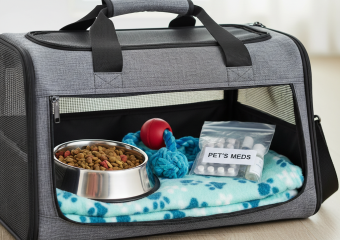
Small, familiar items make a big difference. Pack a soft blanket or a worn t-shirt that carries your scent, and a few favorite toys. Clearly label everything and write simple care notes if an item is fragile.

Checklist of comfort items
- Blanket or bedding from home
- A couple of favorite toys (not all at once)
- Leash and harness for dogs; carrier for cats if needed
- Any special grooming or feeding tools
Provide Clear Feeding and Care Instructions
Write down exact feeding instructions: the brand of food, portion size, frequency, and any supplements. If your pet eats at 7:00 a.m. and 6:00 p.m., write those times down. Use plain language and avoid abbreviations that could be misread.
Include practical details
- Food brand and quantity per meal
- Preferred treats and whether they’re allowed
- Any medications, with dosage and administration notes
- Emergency contact and your veterinarian’s info
Introduce the Environment Gradually When Possible
If the facility allows, arrange a short visit before the stay. A quick meet-and-greet lets your pet sniff the space, meet staff, and get a sense of the layout. For shy pets, a few supervised visits can turn an unfamiliar place into a familiar one.
How to plan a successful visit
- Keep the first visit short and relaxed
- Bring a favorite toy or blanket to create a positive association
- Observe how staff interact and ask about their routines
Communicate Behavioral Information to Staff
Staff do best when they know your pet’s personality and needs. Tell them if your pet is shy, food-motivated, has leash reactivity, or prefers quiet corners. Share any behavioral cues you use at home, such as a calming command or a sign your pet is overstimulated.
Provide emergency instructions and any relevant ID or reservation numbers. If your facility requires forms, double-check that everything is complete and legible.
Understand and Follow Facility Policies
Each boarding operation has rules designed to keep pets safe and healthy. Read the facility’s policies on vaccinations, drop-off and pick-up times, and medical care. Following these rules helps staff provide consistent care and protects your pet and others.
Expect Individual Differences
Every pet reacts differently to a new environment. Some animals adapt quickly; others need more time. You can’t guarantee a specific outcome, but your preparation—consistent routines, comfort items, clear instructions, and thoughtful communication—makes a real difference.
Finding the Right Place
Not all boarding options are the same. If you’re looking for pet hotels or boarding services that prioritize comfort and clear communication, consider using PetHotels.io to discover local facilities and read about available services. A good match between your pet’s needs and the facility’s approach reduces surprises for everyone.
Final practical tips
- Update vaccinations and bring documentation if required.
- Label everything clearly, and leave spare supplies for longer stays.
- Keep drop-off calm and brief to avoid an emotional goodbye ritual.
- Ask how staff will update you (photos, messages, or calls) so you know what to expect.
With a bit of planning and clear communication, you can help your dog or cat feel more at ease during a boarding stay. Use familiar routines, bring comfort items, introduce the environment when possible, and work closely with staff — and always follow the facility’s policies for everyone’s well-being.